

Blog
Kids and Vapes: The Urgent Child Safety Risk Every Parent Must Know

🔗 Related Health & Safety Articles
The Real Risk: Ingestion and Exposure, Not the Product Itself
When discussing children and vaping products, media headlines often focus on sensational narratives about vape epidemics or gateway effects. However, the immediate, documented physical risk to young children comes from a different source entirely: accidental ingestion and exposure to nicotine-containing liquids. Understanding child nicotine poisoning requires focusing on access points, not fear-mongering.
The distinction matters. A child encountering a sealed, intact vaping device presents minimal acute risk. A child accessing an open bottle of e-liquid or a leaking cartridge faces genuine medical danger. The risk lies in how children interact with these products, not in the products' mere presence.
Understanding the Numbers: What Australian Data Shows
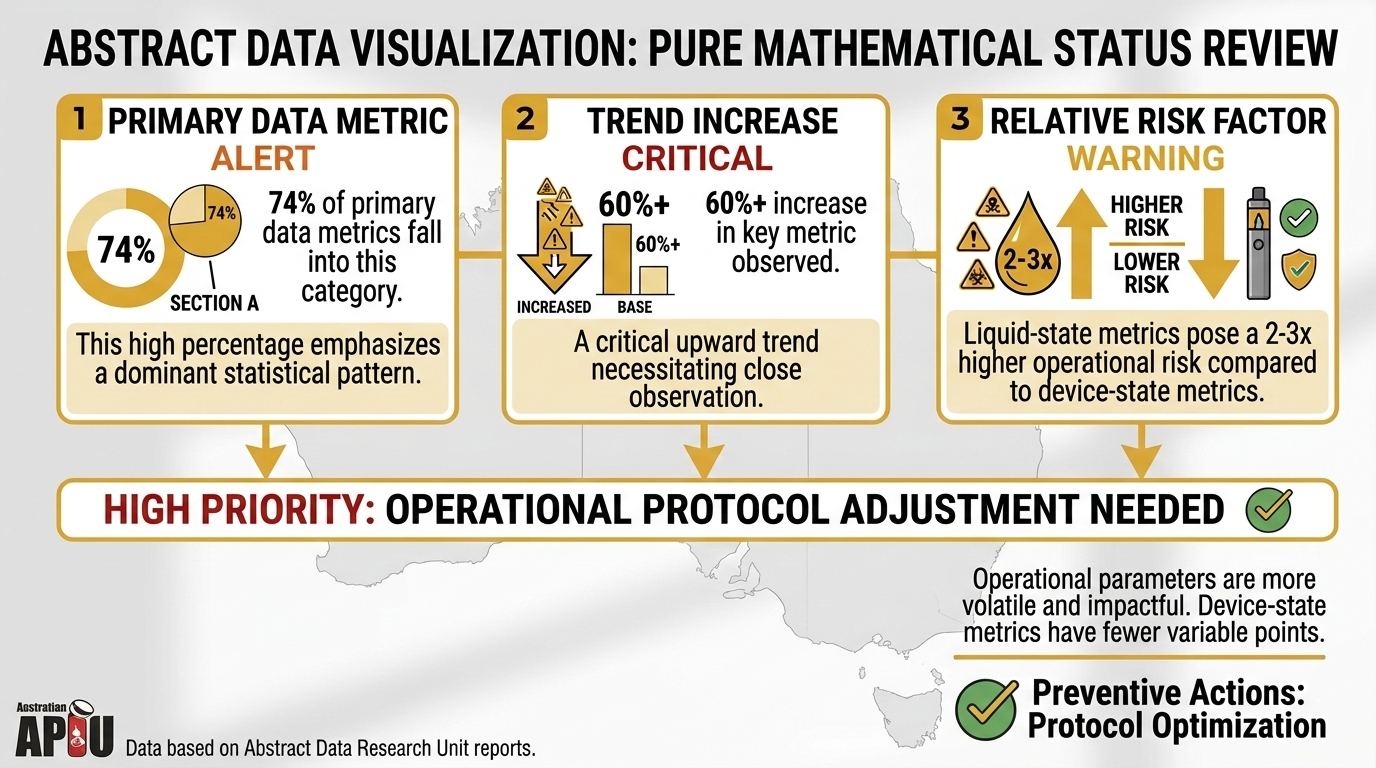
The New South Wales Poisons Information Centre reports consistent patterns: most pediatric exposures involve children aged 1-3 years, occur in the home, and involve liquid nicotine that has been left accessible. Refill bottles and open cartridges represent the highest-risk items for e-liquid ingestion risk.
Where the Risk Actually Comes From: Access Points
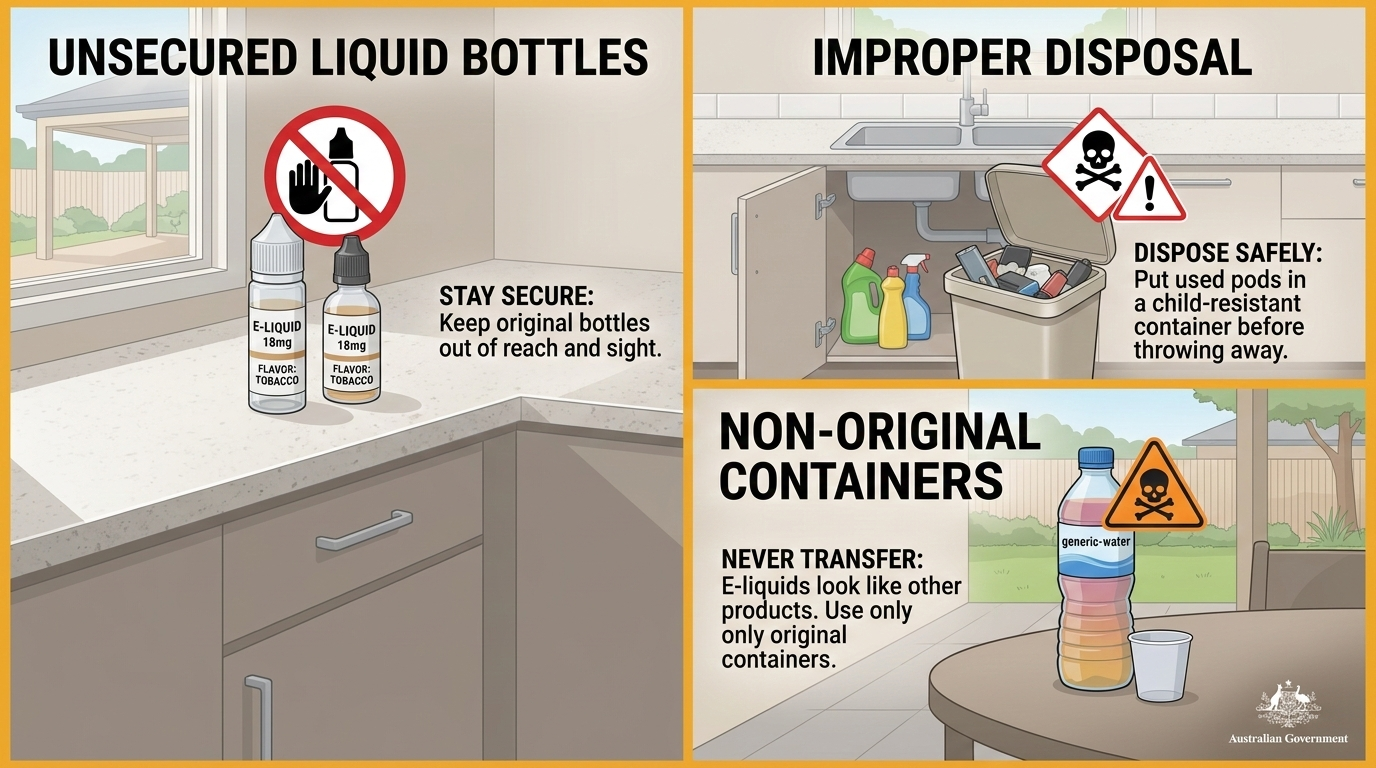
🚫 Unsecured liquid bottles
Left on countertops, in handbags, or within climbing reach.
🗑️ Improper disposal
Used cartridges or pods in household trash accessible to children.
🧴 Non-original containers
E-liquid transferred to drink bottles or unlabeled containers.
Nicotine Concentration Matters
The toxicity risk correlates directly with concentration and volume. A 60mL bottle of 50mg/mL nicotine salt liquid contains potentially lethal dose for a toddler if ingested. The same volume of 3mg/mL freebase nicotine presents significantly lower risk. This is why access prevention is critical for vape storage safety—children cannot self-limit based on concentration.
What the Science Says
The estimated lethal oral dose of nicotine for a child is approximately 1mg per kilogram of body weight. For a 10kg toddler, this equates to roughly 10mg of nicotine—the amount found in less than 1mL of many commercial e-liquids. A single teaspoon (5mL) of high-strength nicotine liquid can contain multiple lethal doses.
The Ingestion Risk: Why Children Are Vulnerable
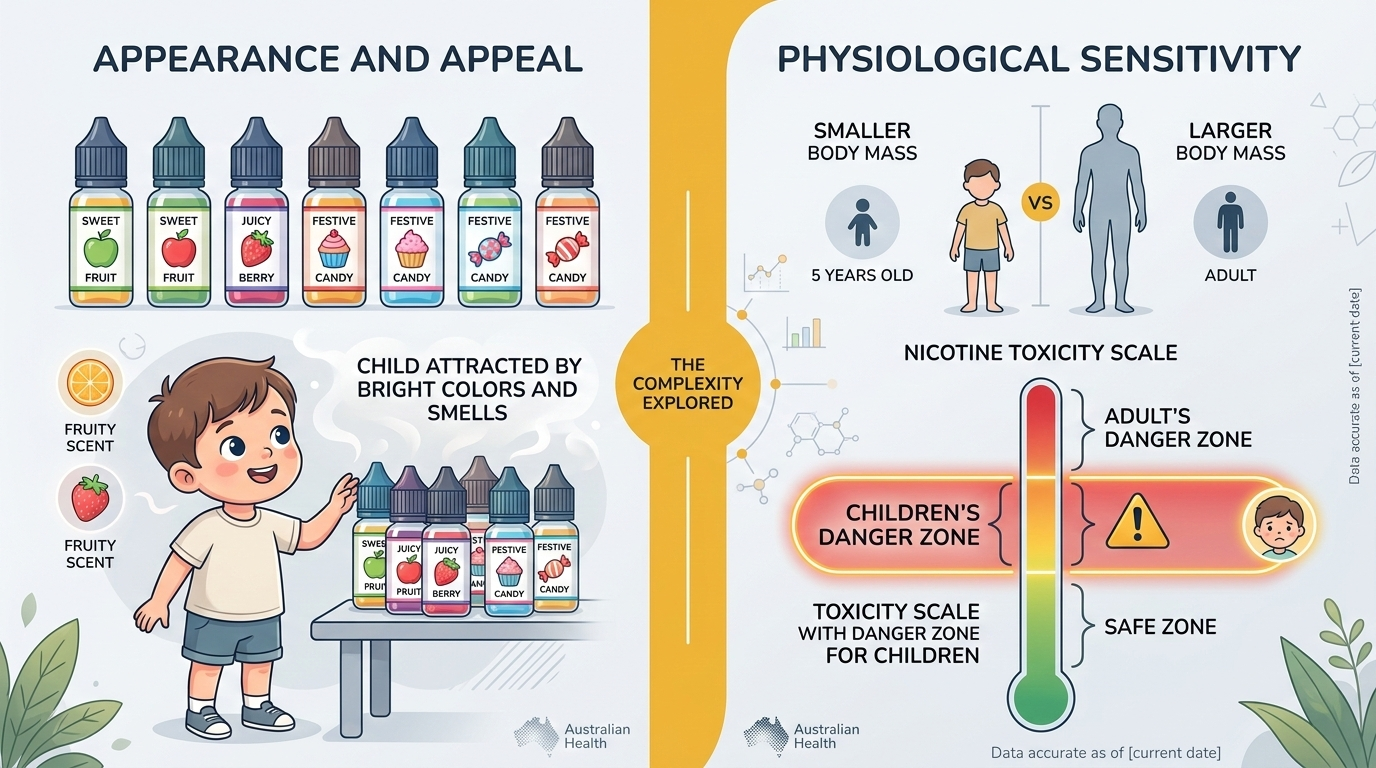
Appearance and Appeal
Many e-liquids are manufactured with food-grade flavorings that smell and sometimes taste appealing to children. Sweet, fruity, or dessert flavors can attract young children who associate these scents with food or drink. Combined with brightly colored packaging, these factors increase the likelihood of a child attempting to taste or consume the liquid—a critical e-liquid ingestion risk factor.
Physiological Sensitivity
Children's smaller body mass means the same nicotine dose that produces mild effects in adults can cause severe toxicity in children. Symptoms of nicotine poisoning can appear rapidly:
- Mild exposure: Nausea, vomiting, increased salivation
- Moderate exposure: Abdominal pain, diarrhea, rapid heartbeat
- Severe exposure: Seizures, respiratory depression, coma
The rapid onset of symptoms (often within 30-60 minutes) requires immediate medical attention. However, with prompt treatment, outcomes are generally positive.
Risk Source: Contact Method vs. Product Type
A critical distinction often lost in public discussion about kids and vapes child safety: the risk comes from the method of contact, not the product category. Consider these comparisons:
- A sealed disposable vape left on a high shelf presents virtually no ingestion risk to a child who cannot reach it.
- An open bottle of 50mg nicotine liquid left on a coffee table presents significant risk to any toddler in the home.
- A used pod in an uncovered household bin presents moderate risk to a curious child.
- A nicotine patch discarded improperly presents similar ingestion risks to e-liquid.
The same principle applies to other household substances: cleaning products, medications, and alcohol all present risks when accessible. Vaping products are not unique in this regard—they are one of many substances requiring proper vape storage safety.
The Prevention Principle
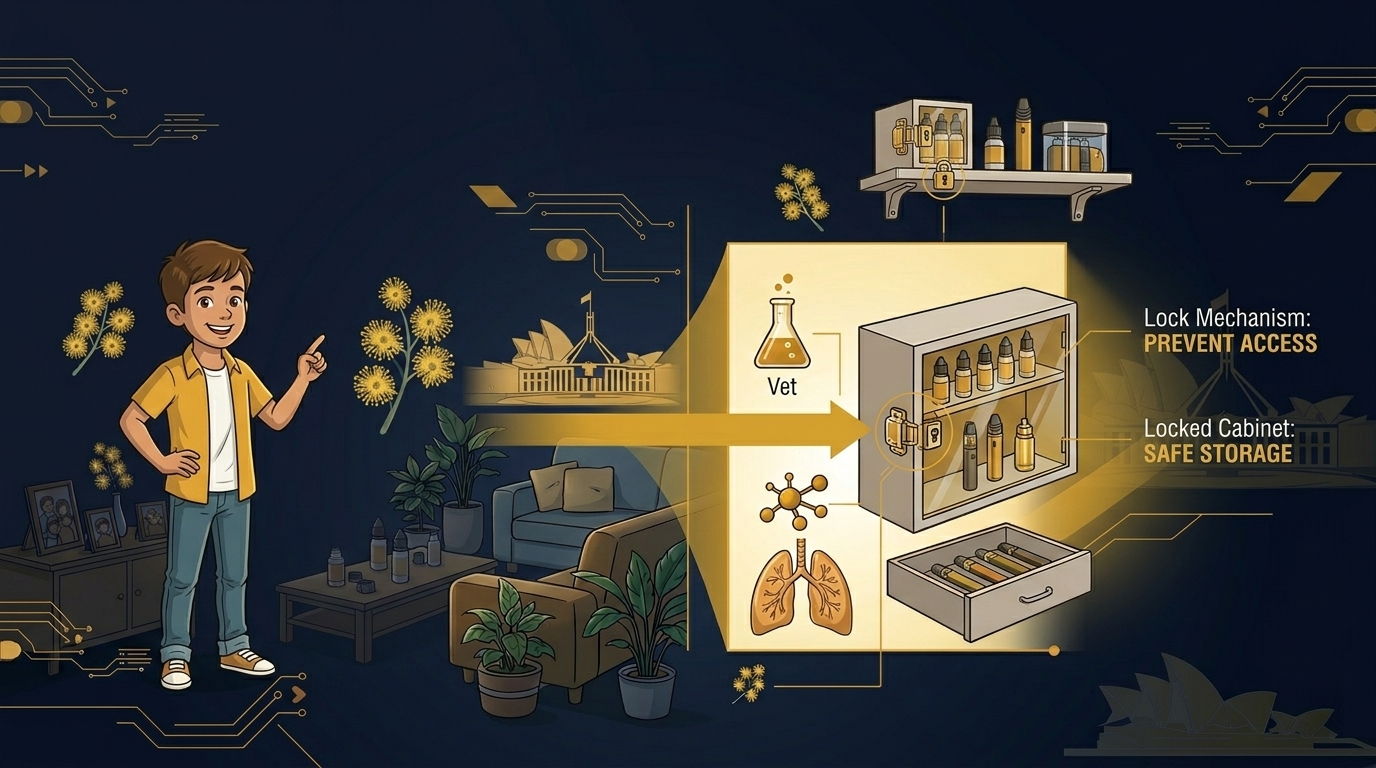
The single most effective intervention is treating nicotine products with the same caution as any potentially harmful household substance. Secure storage eliminates the vast majority of pediatric exposure risks.
Household Safety and Storage Recommendations
Based on poisons center data and pediatric safety guidelines, here are evidence-based recommendations for households concerned about child nicotine poisoning:
Storage Guidelines
🔒 Lock away
Use child-resistant cabinets or lockboxes, regardless of product type (bottles, devices, cartridges).
📦 Original packaging
Child-resistant caps and containers are designed for safety; never transfer liquids to drink bottles.
⬆️ Elevate storage
Even locked containers should be placed out of sight and reach (high shelves, adult bedrooms only).
Daily Use Practices
👀 Never leave unattended
During use, keep devices and liquids in your possession or immediately returned to storage.
🔐 Close completely
Ensure child-resistant mechanisms engage properly after each use.
🚫 Avoid use around children
Reduces curiosity and normalizes that these are not items for children.
Disposal Safety
🗑️ Dispose immediately
Place used cartridges/pods in child-proof household hazardous waste containers.
🚮 Never in open trash
Even small amounts can be accessed by determined toddlers.
💧 Rinse empty bottles
Reduces residual nicotine in disposed containers.
Emergency Response: What to Do If Exposure Occurs
13 11 26 (Australia) - Have product container ready.
This can cause additional damage and aspiration.
Remove clothing, rinse skin with water for 15 minutes.
Flush eyes with lukewarm water for 15 minutes.
Do not give anything to drink unless directed.
Be prepared to perform CPR if necessary.
The Poisons Information Centre provides 24/7 expert advice and will coordinate with emergency services if hospital treatment is required. Having the product packaging helps identify nicotine concentration and total volume.
Risk in Perspective: Putting Numbers in Context
To understand the real risk profile for kids and vapes child safety, contextual comparison is helpful:
- Australian hospitals treat hundreds of pediatric paracetamol exposures annually—more than nicotine-related incidents.
- Household cleaning products account for significantly more poisons center calls than vaping products.
- Button batteries represent a more severe ingestion risk (internal burning) than most nicotine exposures.
This is not to minimize nicotine risks but to place them in appropriate context. Nicotine exposure is serious and preventable, but it exists within a broader landscape of household hazards requiring similar precautions.
Key Takeaway
The risk to children from vaping products is real, identifiable, and almost entirely preventable through proper storage and handling. The danger comes from access and ingestion, not from the products themselves. Treat nicotine liquids with the same caution as any medication or household chemical, and the risk approaches zero. For broader health context, see our guides on second-hand aerosol and common vaping myths.
📖 Related Safety Information
Conclusion: Prevention Is Simple
The real risk to children from vaping products is not about gateway effects or sensational headlines—it's about access and ingestion. With proper vape storage safety, the risk approaches zero. Treat nicotine liquids like any other household hazard: lock them away, store them high, and dispose of them properly.
For parents and caregivers, the message is clear: secure storage eliminates risk. For non-smokers, the message remains: don't start any nicotine product. And for everyone, understanding the actual risks—rather than fear-based narratives—allows for informed, effective prevention.
🇦🇺 G'DayVape perspective: We believe in providing clear, evidence-based information to help Australian families stay safe. Understanding kids and vapes child safety means focusing on prevention through proper storage. For more myth-busting health information, explore our related guides above.
📚 References & Authoritative Sources
- Australian Poisons Information Centre. (2026). Nicotine Exposure in Children: Annual Report. health.qld.gov.au
- Therapeutic Goods Administration (TGA). (2026). Nicotine Vaping Products: Safety Information. Australian Government Department of Health. tga.gov.au
- Australian Competition & Consumer Commission (ACCC). (2025). Child Safety: Button Batteries and Liquid Nicotine. productsafety.gov.au
- NSW Poisons Information Centre. (2026). Pediatric Nicotine Exposure Data. poisonsinfo.nsw.gov.au
- Cancer Council Australia. (2025). Position Statement: Electronic Cigarettes and Child Safety. cancer.org.au
All external sources are Australian government or official health institutions. Links are dofollow and open in new tabs. Information current as of March 2026.
© 2026 G'DayVape — Australian vape knowledge, grounded in clarity. Always adult-only. This guide is for informational purposes only and does not constitute medical advice. Always consult healthcare professionals for personal health decisions.
 RELX Pod