

Blog
Why Nicotine Is Addictive: Brain Science Every User Should Know

📑 In this guide
🔗 Related Guides from G'DayVape
What Is Nicotine Doing in Your Brain?
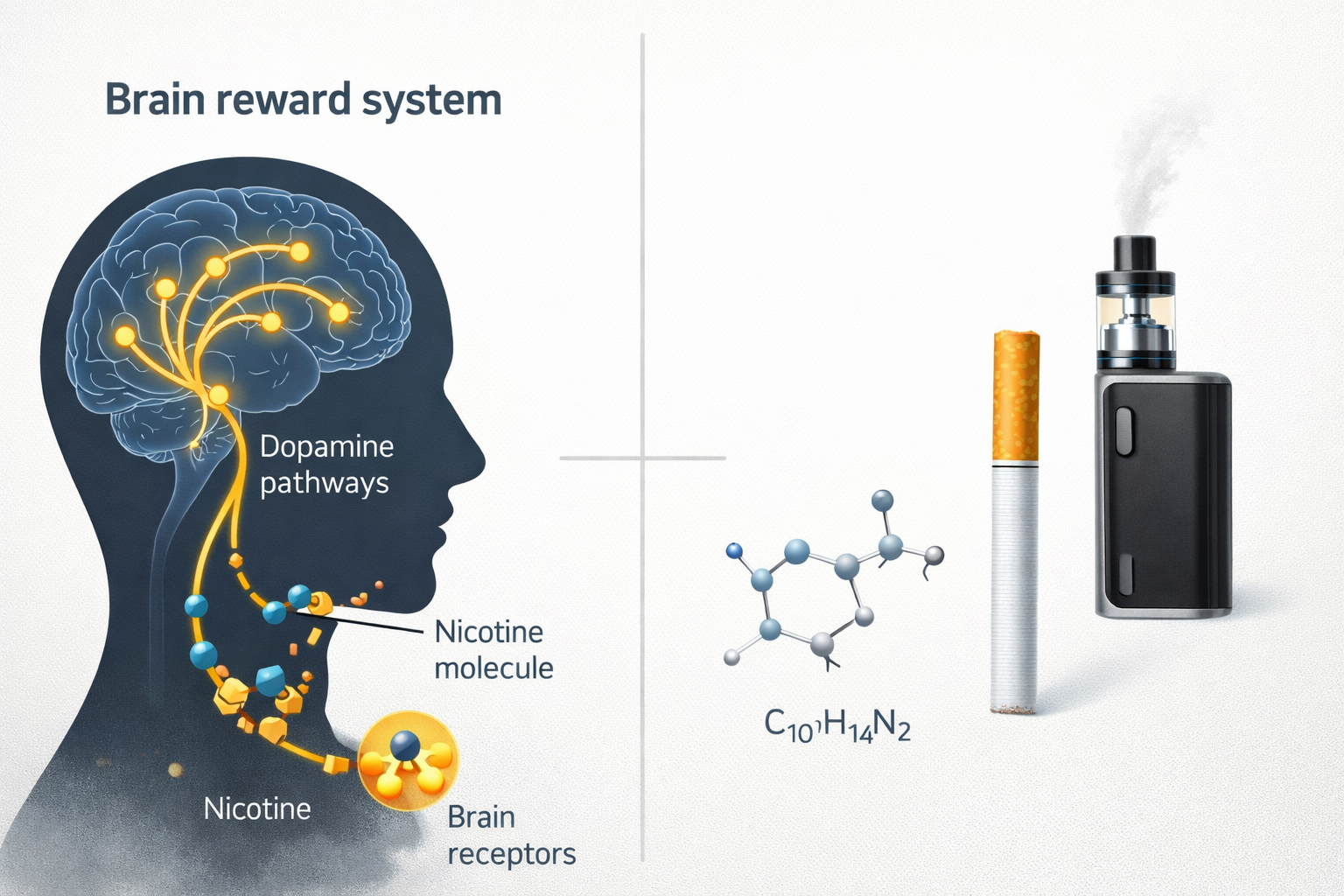
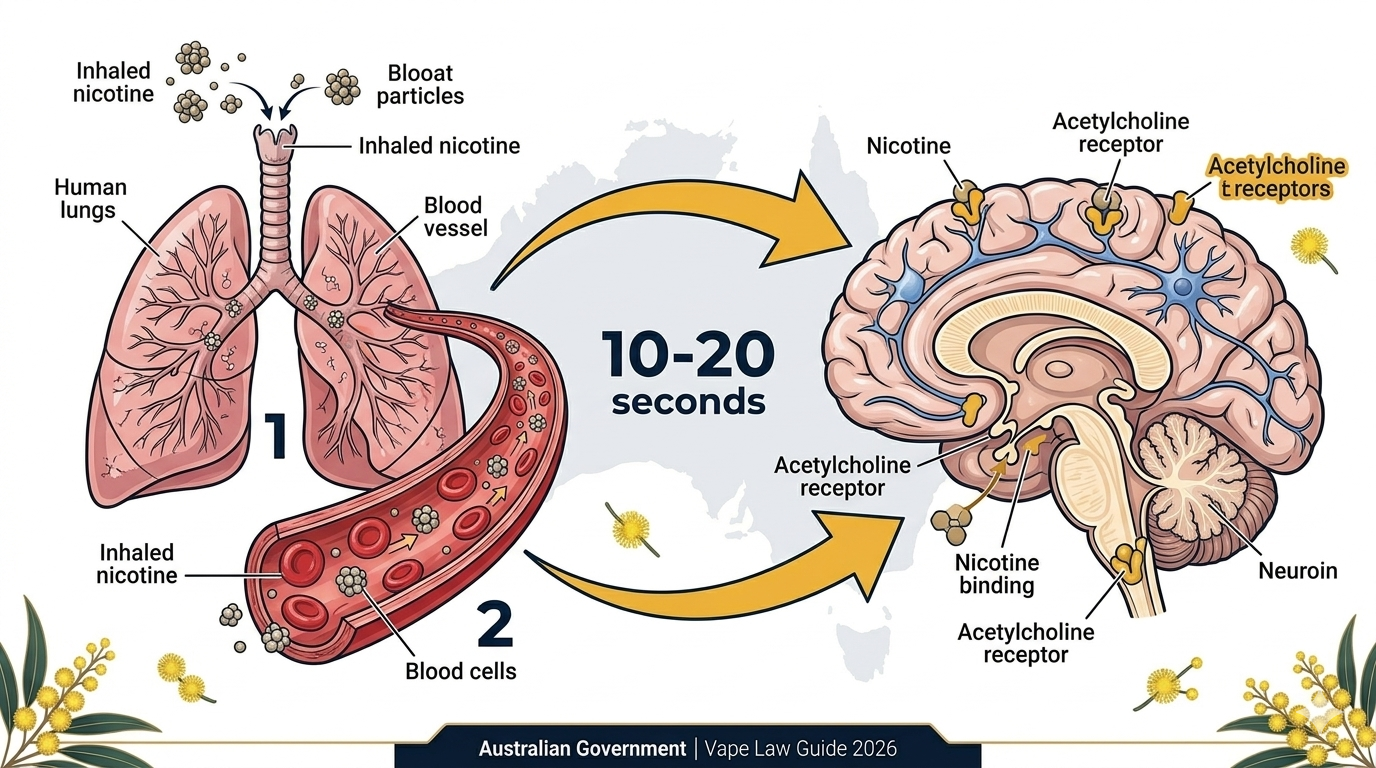
Nicotine is a chemical that naturally occurs in tobacco plants. When you inhale it from a cigarette or vape, it travels from your lungs to your brain in about 10 to 20 seconds—faster than intravenous drugs. Once there, it doesn't create anything new; instead, it mimics a natural brain chemical called acetylcholine.
Think of your brain cells having tiny locks (receptors). Acetylcholine is the key that normally fits these locks, helping with attention, learning, and memory. Nicotine is shaped almost identically. It slips into those same locks and turns them on.
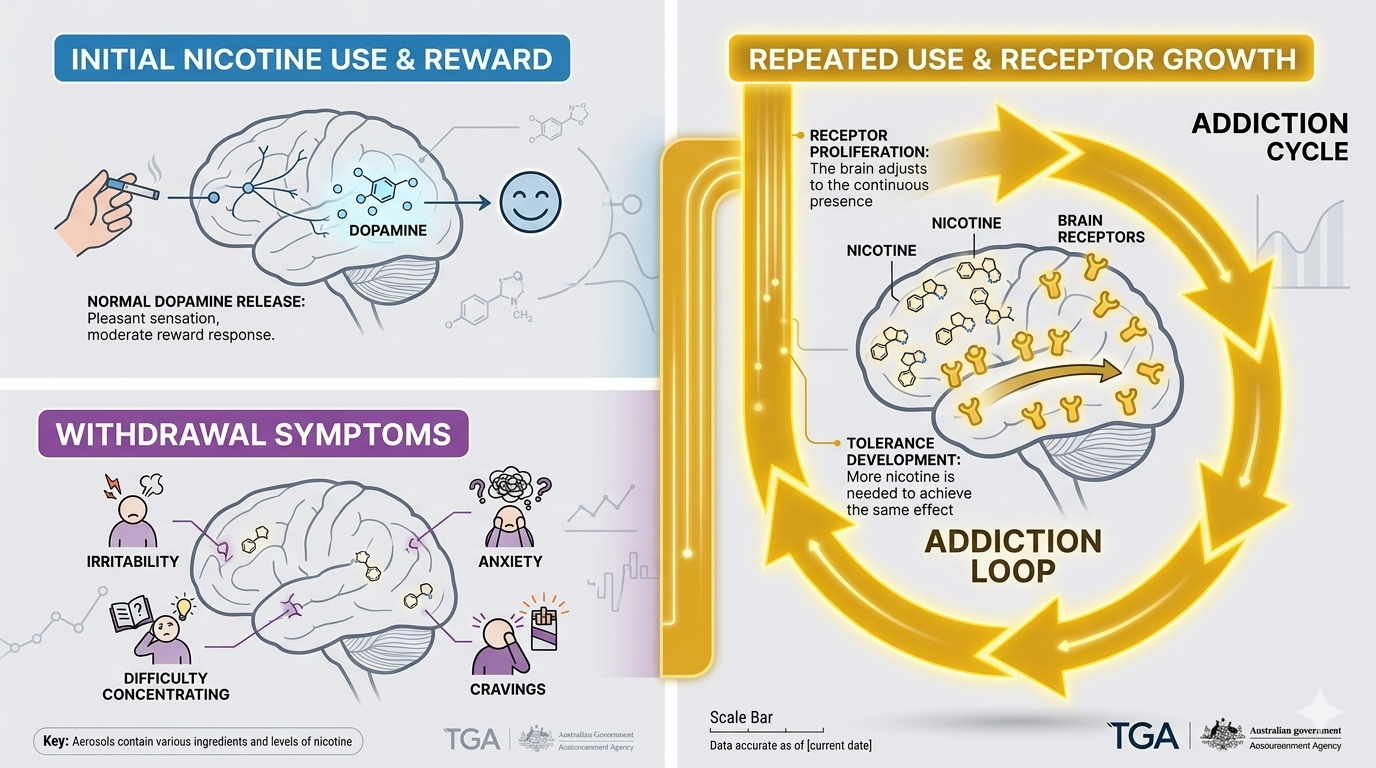
The difference? Nicotine sticks around longer than acetylcholine, and it overstimulates the system. This is the core of why nicotine is addictive—the brain, trying to adapt, starts growing more locks. Now you need more nicotine to feel "normal." This is the beginning of physical dependence.
The Dopamine Connection: Why It Feels Good
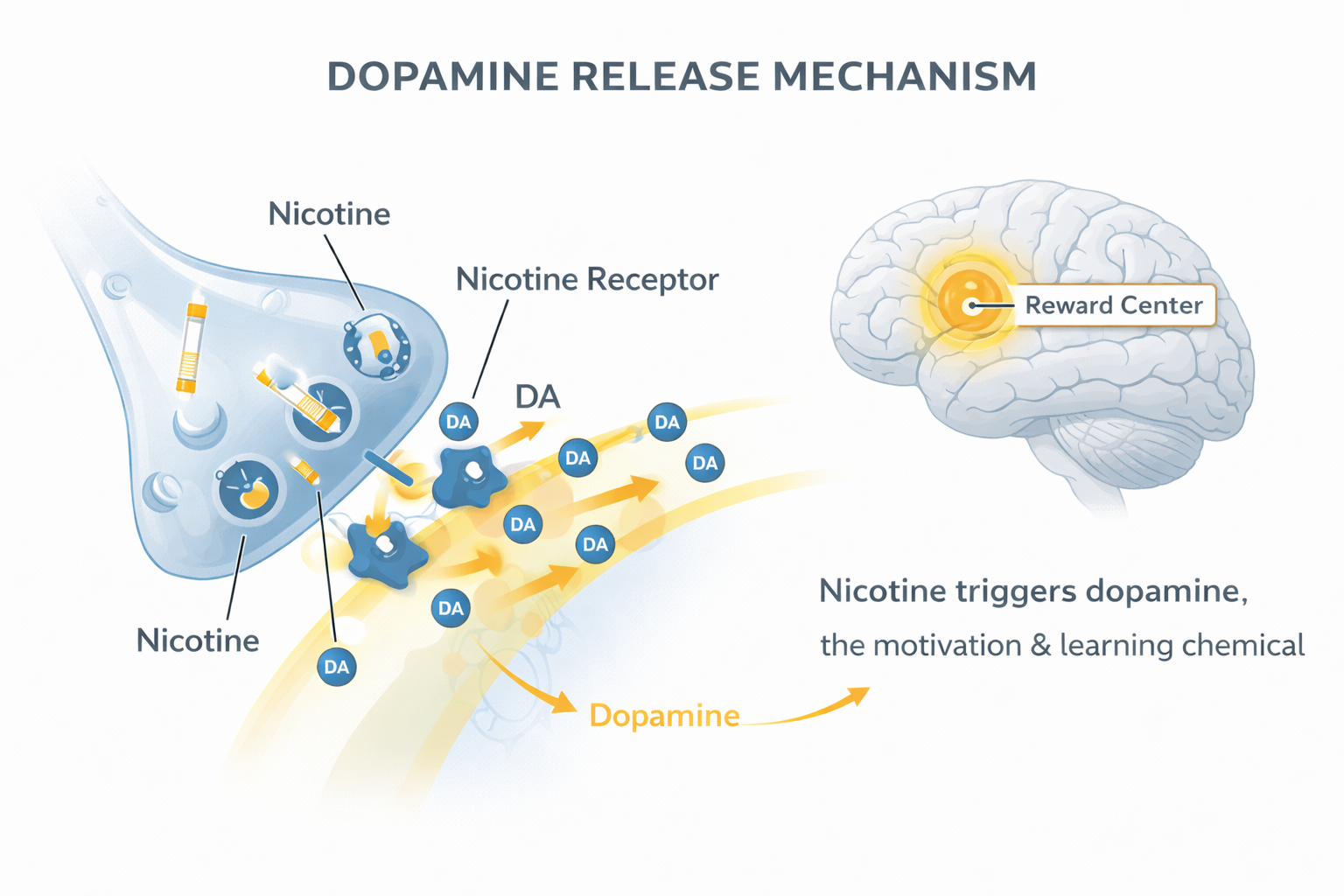
Here's where it gets interesting for understanding nicotine addiction brain mechanisms. When nicotine activates those receptors, it triggers the release of a chemical called dopamine in the brain's reward centre.
Dopamine is often called the "pleasure chemical," but that's a bit misleading. It's more accurate to think of it as the "motivation and learning" chemical. It's the same system that gives you a little burst of satisfaction when you taste something delicious, hear good news, connect with a friend, or finish a task.
This system evolved to reinforce behaviours that help us survive. Nicotine hijacks it. It tells your brain, loudly and clearly: "This is important. Remember this. Do it again." That's why the first few puffs can feel so satisfying—your brain is literally being taught that this action is worth repeating.
How a Chemical Trick Becomes a Daily Habit
Over time, the relationship changes. The brain adapts to the constant nicotine stimulation by becoming less sensitive to dopamine. This is called tolerance. Now, that same amount of nicotine no longer produces the same buzz. You need more to get the effect, or you need it just to feel normal.
When nicotine levels drop—say, overnight while you sleep—the brain's chemistry is temporarily unbalanced. This leads to withdrawal symptoms: irritability or anxiety, difficulty concentrating, increased appetite, and intense cravings.
Here's the critical part: relieving these awful symptoms by using nicotine feels almost identical to the original pleasure. The brain learns that using the substance stops the bad feelings. This creates a powerful cycle: you use nicotine not just to feel good, but to avoid feeling terrible. This cycle explains how nicotine hooks your brain so effectively.
A Note on Willpower
This is why addiction is not a failure of character. The brain has been physically rewired to prioritise nicotine. Withdrawal symptoms are real, biological events—not moral weakness. Understanding this can replace shame with a clearer path forward.
Does It Matter Whether It's From Smoking or Vaping?
The nicotine molecule itself is identical whether it comes from a cigarette or a vape. However, the delivery system can affect the addiction experience.
Cigarettes
Deliver nicotine rapidly, with a sharp spike and quick drop-off, reinforcing frequent use. They are also strongly linked to rituals (lighting, holding) that become automatic triggers.
Vapes
Can deliver high nicotine concentrations efficiently, especially with nicotine salts. Discreet design and sweet flavours may encourage more frequent use throughout the day. Lack of immediate negative sensations (smell, ash) can make it easier to use more often.
For someone trying to quit nicotine altogether, the source matters less than the neurological hook. Understanding vaping nicotine dependence helps explain why both products keep users coming back.
Why People Keep Using: Beyond the Chemical
Addiction isn't just about brain chemistry. It's also about context and habit. The brain links nicotine use to all sorts of cues: situations like with coffee, after a meal, during a work break, or in the car; emotions like stress, boredom, celebration, or anxiety; and social settings with friends who also use.
Each time you use nicotine in these situations, the bond strengthens. Eventually, the situation itself can trigger a craving, even without conscious thought. This is why quitting can feel like fighting automatic programs running in the background.
What This Means for Users
If you use nicotine
Recognising that cravings are biological events, not personal failings, can reduce shame. It's the brain doing what addicted brains do.
If you're supporting someone
Patience makes more sense than judgment. You're asking them to rewire a system that has been physically altered.
If you're considering starting
Knowing how efficiently nicotine can lock onto your brain's reward system is a reason to think carefully. It's not about being "weak"—it's about understanding the odds.
Four Facts We Hold at the Centre of This Discussion
- Nicotine is addictive — in cigarettes, vapes, and any form.
- Vaping is not without health risks, but its risk profile differs from smoking.
- Compared to smoking, vaping is generally less harmful, but neither is safe.
- For many, vaping is a transition or alternative, not a "health product."
Conclusion: Seeing the Hook Clearly
Nicotine addiction isn't magic or a character flaw. It's a predictable result of a molecule that perfectly fits brain receptors, triggers a powerful reward system, and becomes embedded in daily habits through repetition and context.
Seeing this clearly doesn't make quitting easy—but it does make the struggle understandable. Understanding why nicotine is addictive is the first step toward informed choices, whether that's continuing use with full awareness, attempting to cut down, or seeking support to stop entirely.
🇦🇺 Shop IGET One 12000 Puffs at G'DayVape
If you understand the science and choose to vape, here's a popular option available with fast delivery:
IGET One 12000 Specifications
- Brand: IGET
- Model: IGET One 12000 Puffs
- Puff Count: Up to 12,000 puffs
- Nicotine Strength: 5% (50mg/ml)
- E-Liquid Capacity: 18ml
- Battery Capacity: 2700mAh
- Rechargeable: Non-rechargeable
- Display: LED battery and e-liquid indicator
- Coil Type: 0.6 Ohm Dual Mesh Coil
- Dimensions: 40.5 x 18.5 x 95.5 mm
- Net Weight: 118.9g

12,000 Puffs


📖 Explore More Guides from G'DayVape
📚 References & Authoritative Sources
- Therapeutic Goods Administration (TGA). (2026). Nicotine Vaping Products: Information for Consumers. Australian Government Department of Health. tga.gov.au
- Australian Government Department of Health and Aged Care. (2026). About vaping and e-cigarettes. health.gov.au
- Cancer Council Australia. (2025). Position Statement: Electronic Cigarettes. cancer.org.au
- National Academies of Sciences, Engineering, and Medicine. (2018). Public Health Consequences of E-Cigarettes. nap.edu
- Australian Border Force (ABF). (2026). Import Controls for Tobacco and Vaping Products. abf.gov.au
All external sources are Australian government or official health institutions. Links are dofollow and open in new tabs. Information current as of April 2026.
© 2026 G'DayVape — Australian vape knowledge, grounded in clarity. Always adult-only. This guide to why nicotine is addictive is for informational purposes only and does not constitute medical advice. Always consult healthcare professionals for personal health decisions.
 RELX Pod