

Blog
Why Do People Relapse After Months of Quitting: Triggers & Prevention

📖 More from this series:
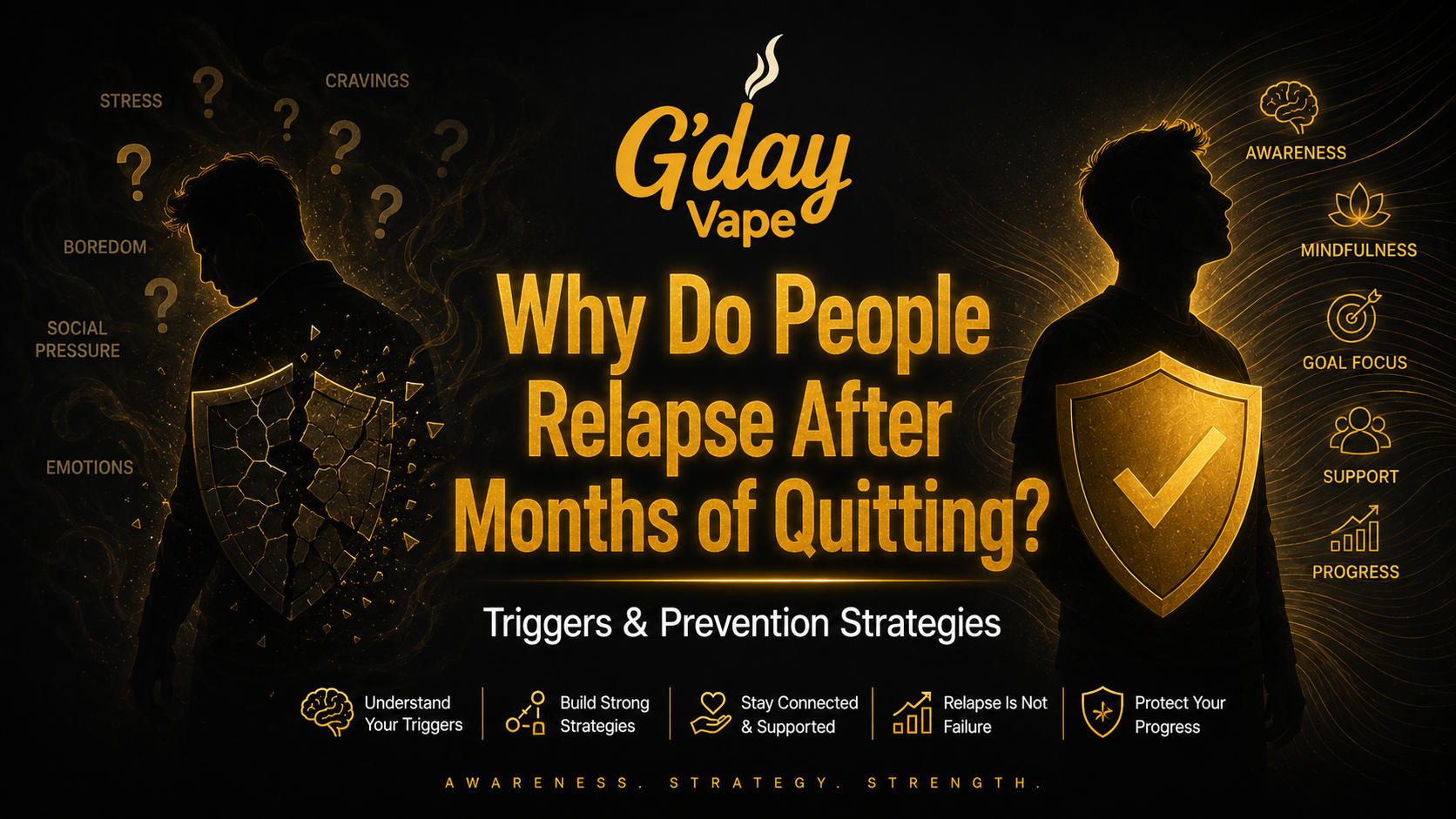
The High-Risk Window: Months 3-6
Many people assume the hardest part of quitting is the first few weeks.
While acute withdrawal is intense, the actual highest risk for relapse comes later.
The danger zone is between the third and sixth month after quitting.
• Physical withdrawal has faded — no more headaches, anxiety, or intense cravings
• But habits haven't fully reprogrammed — automatic associations still exist
• Confidence is high — you may feel "safe" and let your guard down
• Life stressors accumulate — without smoking as a coping tool, stress builds up
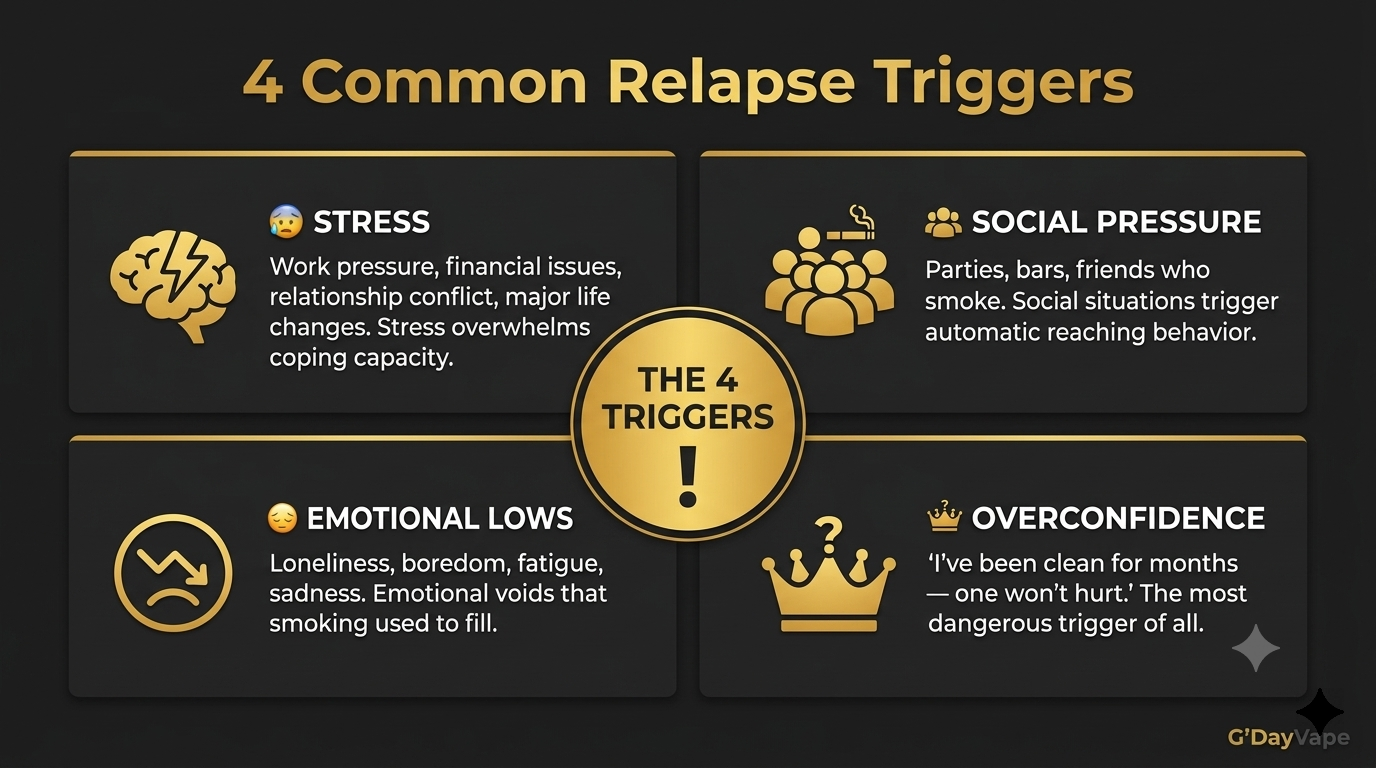
Stress Triggers
Work deadlines, financial pressure, family conflict, or major life changes can overwhelm your coping capacity. Without smoking as a stress-relief tool, the urge can feel overwhelming.
Social Pressure
Parties, bars, friends who smoke — social situations trigger automatic reaching behavior. The habit loop activates before you even think about it.
Emotional Lows
Loneliness, boredom, fatigue, or sadness can create a void that smoking used to fill. These internal states are often overlooked as triggers.
Overconfidence
"I've been clean for months — one cigarette won't hurt." This is often the most dangerous trigger because it feels like a choice, not a craving.
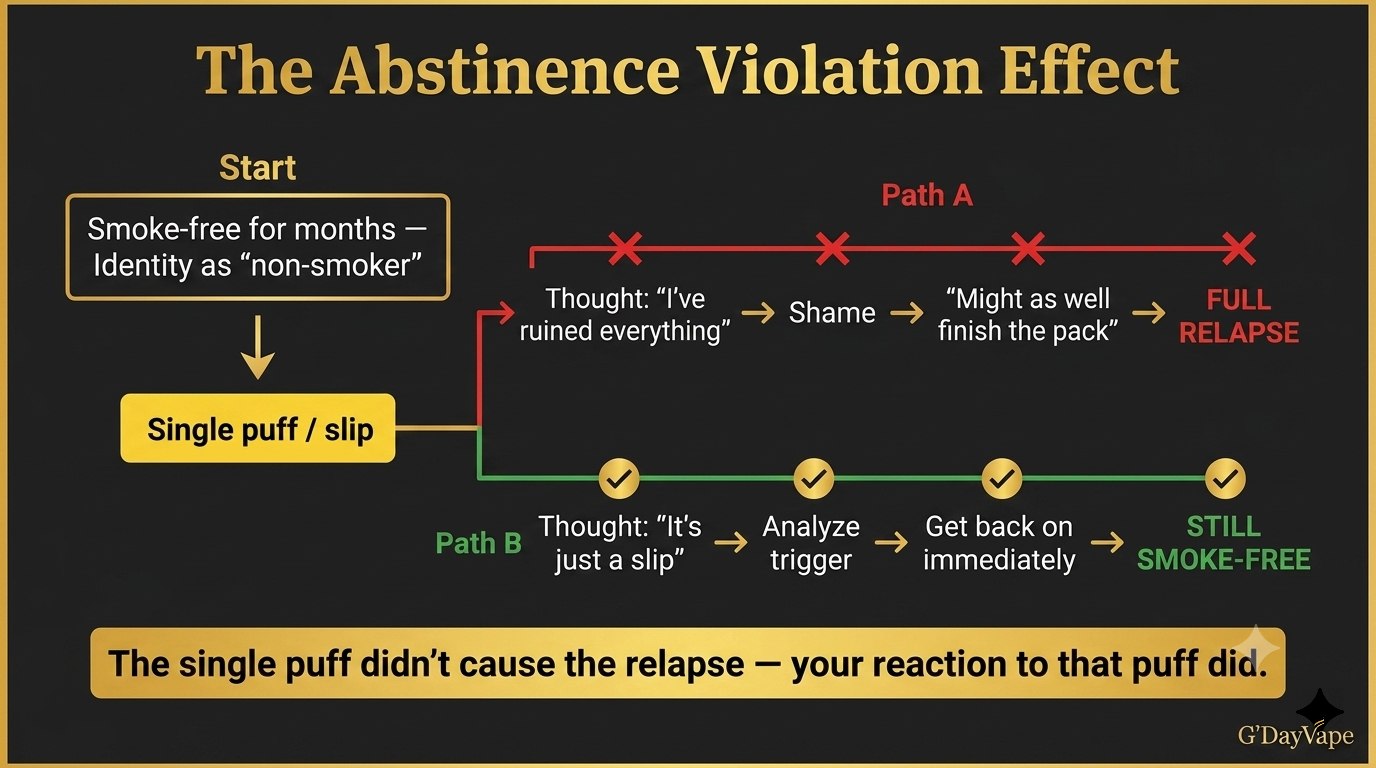
The Abstinence Violation Effect — Why One Puff Leads to Full Relapse
Psychology researchers have identified a phenomenon called the "abstinence violation effect."
This explains why one cigarette often becomes a full relapse.
❌ The Destructive Path
Step 1: Smoke-free for months — identity as "non-smoker"
Step 2: Single puff or slip occurs
Step 3: Thought: "I've ruined everything. I have no willpower."
Step 4: Shame and guilt → "Might as well finish the pack"
Step 5: FULL RELAPSE — back to regular smoking
✅ The Constructive Path
Step 1: Smoke-free for months — identity as "non-smoker"
Step 2: Single puff or slip occurs
Step 3: Thought: "It's just a slip. I'm still a non-smoker."
Step 4: Analyze: "What led to this? What can I do differently?"
Step 5: Get back on track immediately — STILL SMOKE-FREE
Prevention Strategies That Actually Work
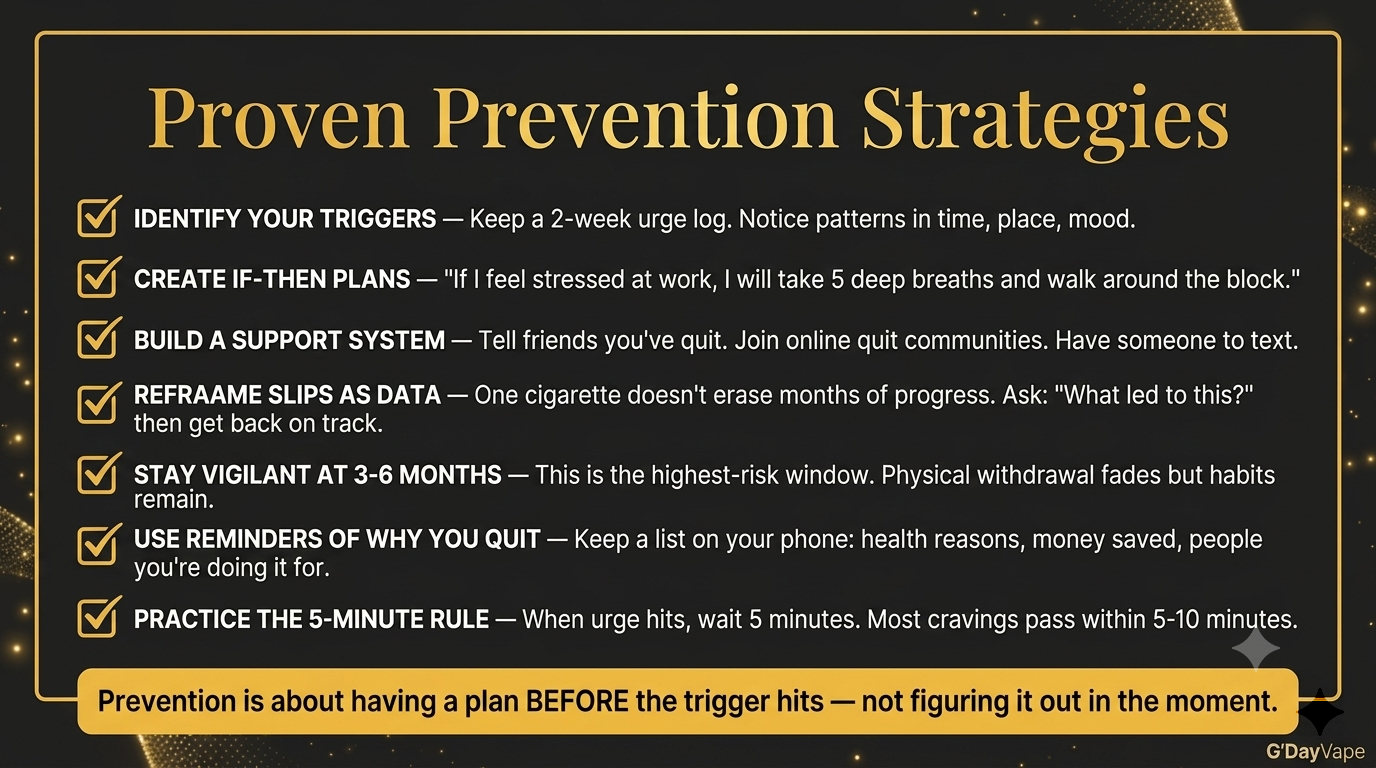
Keep a journal for two weeks. Write down every time you feel an urge: where were you? What were you doing? How were you feeling? Patterns will emerge.
For each trigger, write a specific action. "If I feel stressed at work, I will take three deep breaths and walk around the block."
Tell friends and family you've quit. Ask them not to offer you cigarettes. Join online quit communities. Having someone to text when you feel an urge makes a huge difference.
If you take a puff, don't panic. Ask: "What led to this? What can I do differently next time?" Then immediately get back on track.
The 3-6 month mark, holidays, anniversaries, and major life events are danger zones. Have a specific plan for these times.
Keep a list on your phone: health reasons, money saved, people you're doing it for. Read it when you feel tempted.
When an urge hits, tell yourself: "I'll wait 5 minutes before doing anything." Most cravings pass within 5-10 minutes.
What to Do If You Slip — An Action Plan
1️⃣ Stop immediately — Don't tell yourself "I've already ruined it, might as well keep going." One cigarette is a slip. A pack is a relapse.
2️⃣ Don't panic or shame yourself — Guilt leads to more smoking. Speak to yourself like you would to a friend: "It's okay. You're human. Let's get back on track."
3️⃣ Analyze what happened — What was the trigger? Stress? Social pressure? Overconfidence? Write it down.
4️⃣ Recommit immediately — Throw away any remaining cigarettes. Re-read your reasons for quitting. Tell someone you trust.
5️⃣ Adjust your plan — If a specific situation triggered you, plan for it differently next time.
If you've relapsed after months of being smoke-free, you might feel like you've wasted all that effort. But that's not true. Those months of not smoking gave your lungs time to heal, your circulation to improve, and your brain to start rewiring. None of that progress is erased by one cigarette or even a brief return to smoking.
Many people who eventually quit for good went through several relapses first. Each time, they learned something new about their triggers. Each time, they got a little better at coping. The people who succeed aren't the ones who never slip — they're the ones who keep trying after slipping.
Frequently Asked Questions
Is it normal to relapse after months of quitting?
Yes — very common. Most people attempt quitting multiple times before succeeding permanently. The 3-6 month window is a particularly high-risk period.
What's the difference between a slip and a relapse?
A slip is a one-time return to smoking (one cigarette or one day). A relapse is a full return to regular smoking. The key is stopping after the slip.
Can I ever have "just one" cigarette?
For most former smokers, no. The "just one" cigarette often triggers the addiction again because your brain still has dormant nicotine receptors.
How can I handle social situations where people are smoking?
Have a plan: avoid being near smokers when possible, keep your hands busy with a drink or phone, practice saying "No thanks, I don't smoke."
🔗 Continue learning:
Conclusion: Relapse Is Not Failure — It's Information
Understanding why do people relapse after months of quitting changes everything.
Relapse isn't a sign of weak willpower. It's the result of specific, predictable triggers that catch you off guard because you didn't know to prepare for them.
The good news: now you know. You know the four triggers. You know the abstinence violation effect. You have prevention strategies.
One slip doesn't erase months of progress. Every attempt teaches you something about what works for you.
Keep going. You're closer than you think.
For external research, consult the World Health Organization's tobacco control resources or the National Institutes of Health smoking cessation guides.
🛒 Support Your Journey with RELX HERC 12000
Smart side display helps you monitor usage — up to 12,000 puffs per device
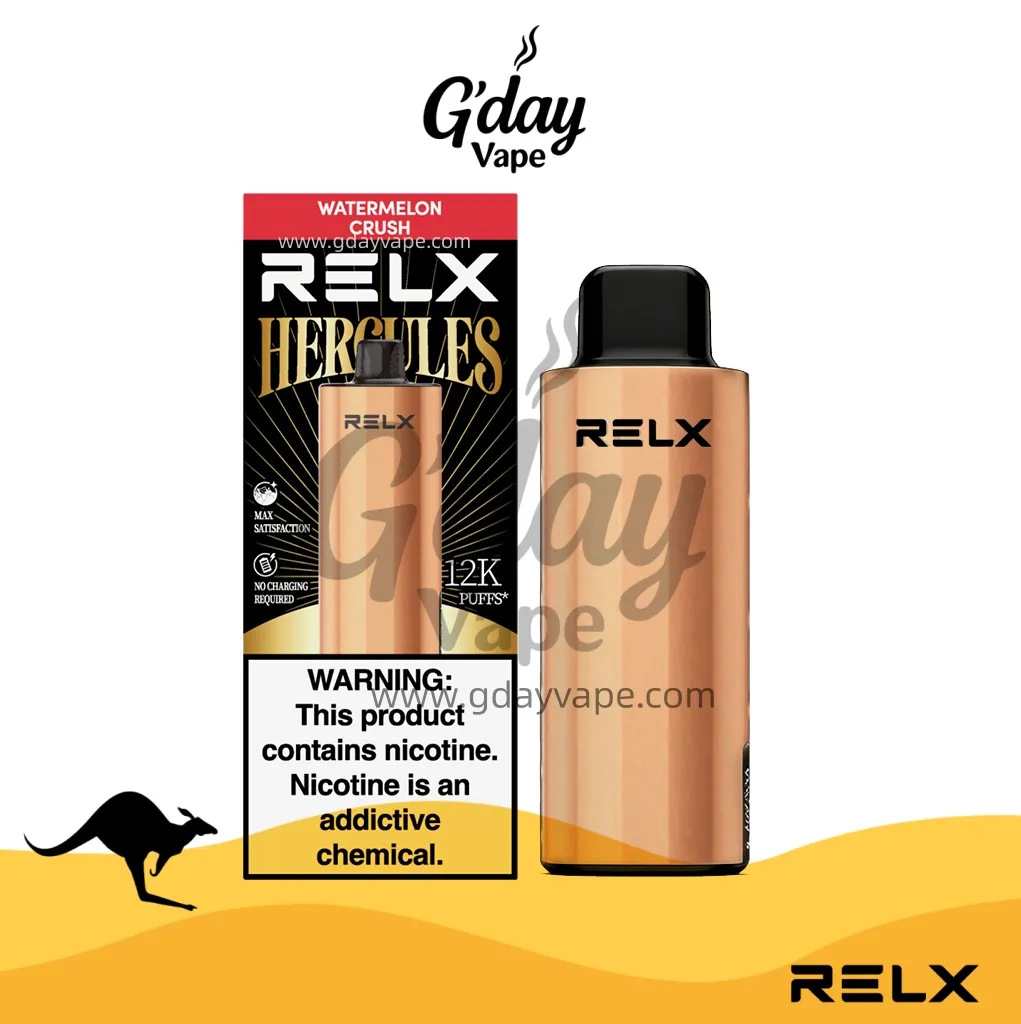


RELX HERC 12000 Specifications: Brand: RELX | Puff Count: Up to 12,000 | Nicotine: 5% (50mg/mL) | E-Liquid: 18mL | Battery: 2600mAh | Auto-Tuned Power Technology | Smart side display | Mesh Coil
Also Available — IGET Bar Pro 10000


IGET One 12000 — Smart Display with 2700mAh Battery


† This information is for educational purposes. Always consult healthcare professionals for personalized smoking cessation advice.
📖 External resources: World Health Organization - Tobacco | National Institutes of Health | UK National Health Service
🔞 Must be of legal smoking/vaping age. RELX products are intended for adult smokers seeking an alternative.
 RELX Pod