
Blog
Quitting Nicotine or Breaking a Habit: Smoking Psychology Explained

📖 More from this series:
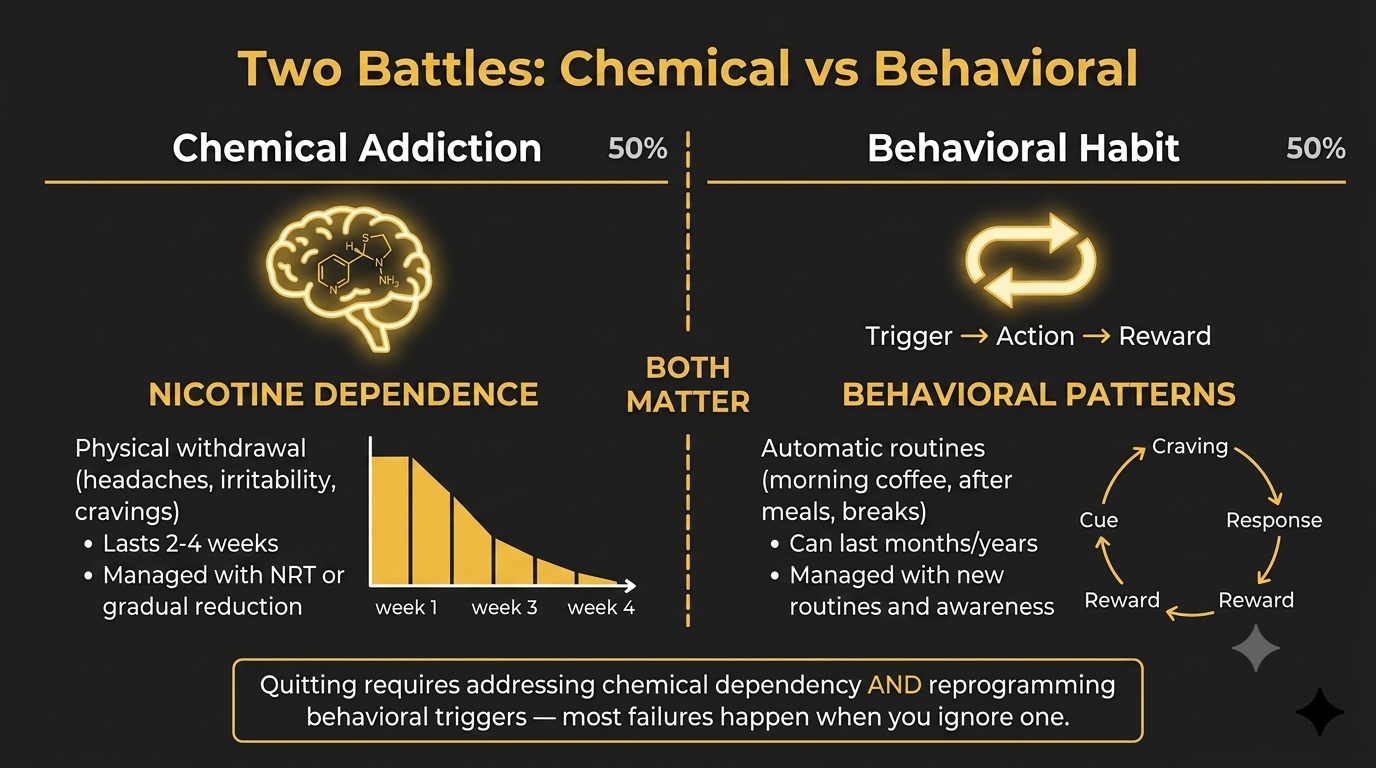
The Two Battles: Chemical vs Behavioral
When you smoke, your brain develops TWO separate dependencies.
One is chemical — your body adapts to regular nicotine intake and rebels when it's removed.
The other is behavioral — your brain creates automatic routines around smoking that happen without conscious thought.
Both are real. Both are powerful. And both must be addressed for quitting to stick.
⚗️ Chemical Addiction
What it is: Physical dependence on nicotine. Your brain has adjusted its chemistry to expect regular nicotine delivery.
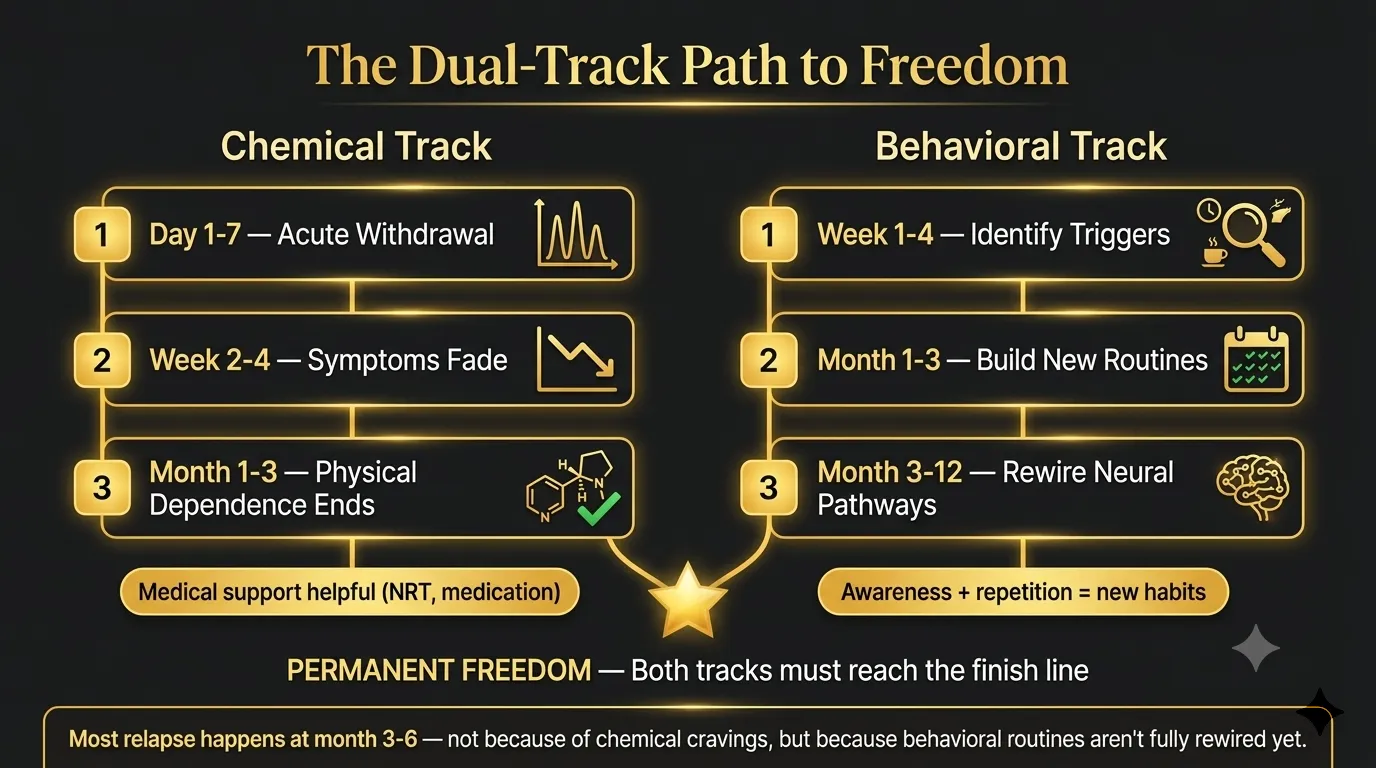
Duration: Acute withdrawal lasts 2-4 weeks. Most physical symptoms fade by week 4.
• Days 1-3: Peak intensity — headaches, anxiety, cravings
• Days 4-7: Symptoms begin decreasing
• Weeks 2-4: Gradual improvement
• Week 4+: Physical dependence largely gone
🔄 Behavioral Habit
What it is: Automatic routines triggered by cues — morning coffee, after meals, driving, breaks, stress.
Duration: Can last months or years after nicotine is gone. Requires active reprogramming.
• Time-based: morning, after meals, before bed
• Activity-based: driving, working breaks, phone calls
• Emotional-based: stress, boredom, celebration, socializing
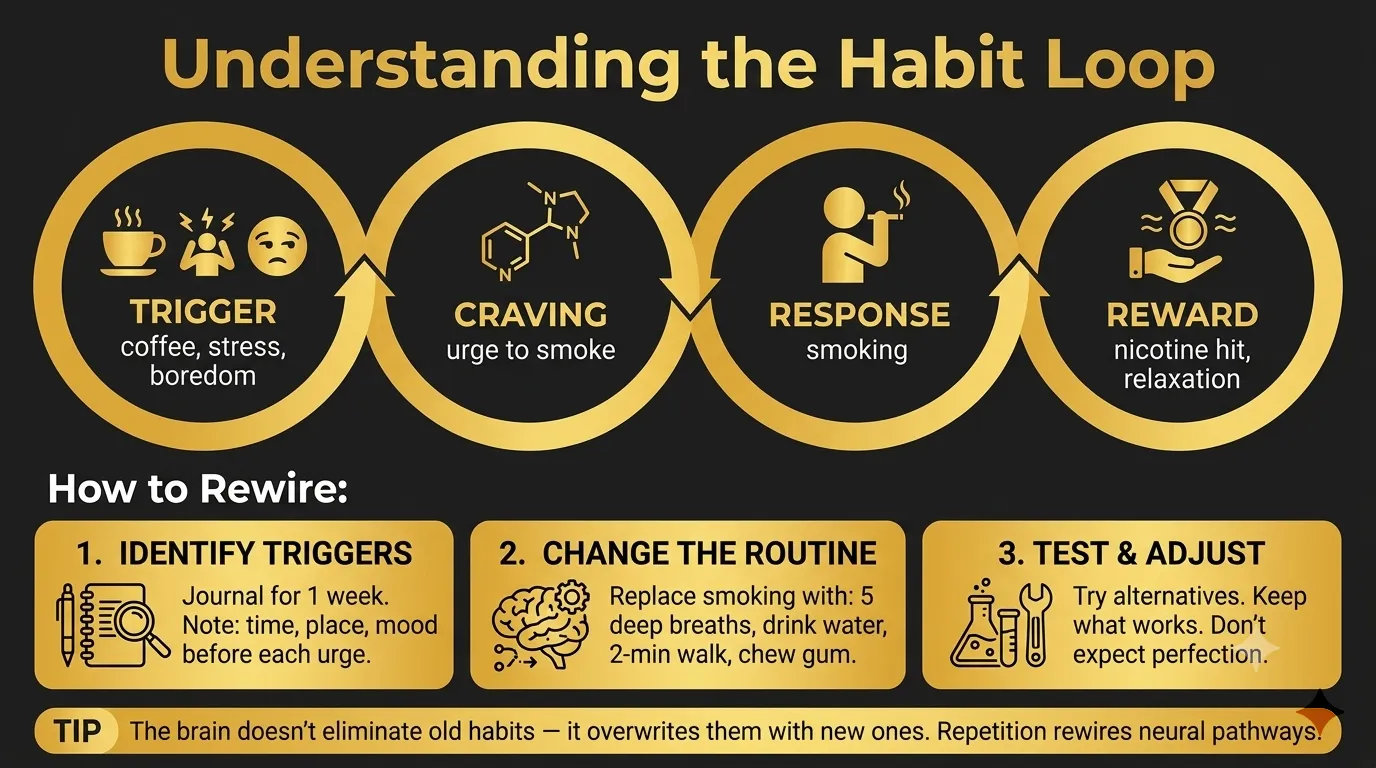
The Habit Loop: How Your Brain Automates Smoking
Every habit follows the same neurological pattern.
Scientists call it the "habit loop" — and understanding it is the key to breaking it.
1️⃣ TRIGGER (Cue)
Something in your environment or internal state signals your brain to go into automatic mode.
Examples: Waking up, finishing a meal, feeling stressed, seeing someone else smoke, finishing a task.
2️⃣ CRAVING (Urge)
The trigger creates a craving — not just for nicotine, but for the entire ritual and reward experience.
The craving feels urgent. Your brain wants the reward it has learned to expect.
3️⃣ RESPONSE (Action)
The actual behavior — lighting a cigarette, taking a puff, the physical ritual.
This step is where you have a choice. But when the loop is strong, it feels automatic.
4️⃣ REWARD (Satisfaction)
The payoff — nicotine hit, hand-to-mouth action, deep breathing, break from activity.
The reward reinforces the loop. Your brain learns: "Trigger + Response = Good feeling."
How to Rewire Your Brain's Habits
The same neuroplasticity that created your smoking habit can help you build new, healthier routines.
Here's the three-step process that works:
📝 Step 1: Identify Your Triggers
For one week, keep a simple log. Every time you feel the urge to smoke, write down:
- What time was it?
- Where were you?
- What were you doing?
- How were you feeling?
Patterns will emerge. You'll discover your specific trigger profile.
🔄 Step 2: Change the Routine
Keep the same trigger and reward — but change the action in the middle.
Example: After meals (trigger), instead of smoking, try:
- 5 deep breaths
- Glass of cold water
- 2-minute walk around the block
- Chewing gum or a toothpick
🔁 Step 3: Test & Adjust
Not every replacement will work for every trigger. That's fine.
Try different alternatives. Keep what works. Discard what doesn't.
Repetition is key. The brain needs 2-3 months of consistent new behavior to rewire.
Why Understanding "Quitting Nicotine vs Breaking a Habit" Matters
If you only address the chemical addiction, you'll succeed for a few weeks — then relapse when a trigger hits.
If you only address the behavioral habits, you'll white-knuckle through triggers but suffer from physical withdrawal.
You need both tracks to reach permanent freedom.
Frequently Asked Questions
How long does nicotine withdrawal actually last?
Acute physical withdrawal typically lasts 2-4 weeks. The first 3 days are usually the most intense. After week 4, most physical symptoms are gone — but behavioral triggers remain.
Can I be addicted to the habit but not the nicotine?
Yes — many former smokers report missing the ritual (hand-to-mouth, break time, social aspect) more than the nicotine itself. This is why behavioral strategies are so important.
What if I've quit before and relapsed?
Each attempt teaches you something. Review what triggered your relapse. Was it a chemical craving or a behavioral situation? That information guides your next attempt.
How long does it take to break a habit?
Research suggests 2-3 months of consistent new behavior to rewire neural pathways. But some triggers may always require awareness — vigilance is valuable.
🔗 Continue learning:
Conclusion: You're Quitting Two Things — Address Both
Smoking is not just a chemical addiction. It is a deeply ingrained behavioral habit woven into the fabric of daily life.
Understanding quitting nicotine vs breaking a habit changes everything.
The chemical battle is intense but short. The behavioral battle is less intense but longer.
Win both, and you win permanently.
For external research, consult the World Health Organization's tobacco control resources or the National Institutes of Health smoking cessation guides. The UK National Health Service also offers excellent evidence-based advice.
🛒 Support Your Journey with RELX
For those gradually reducing nicotine — RELX pod system with strength options:
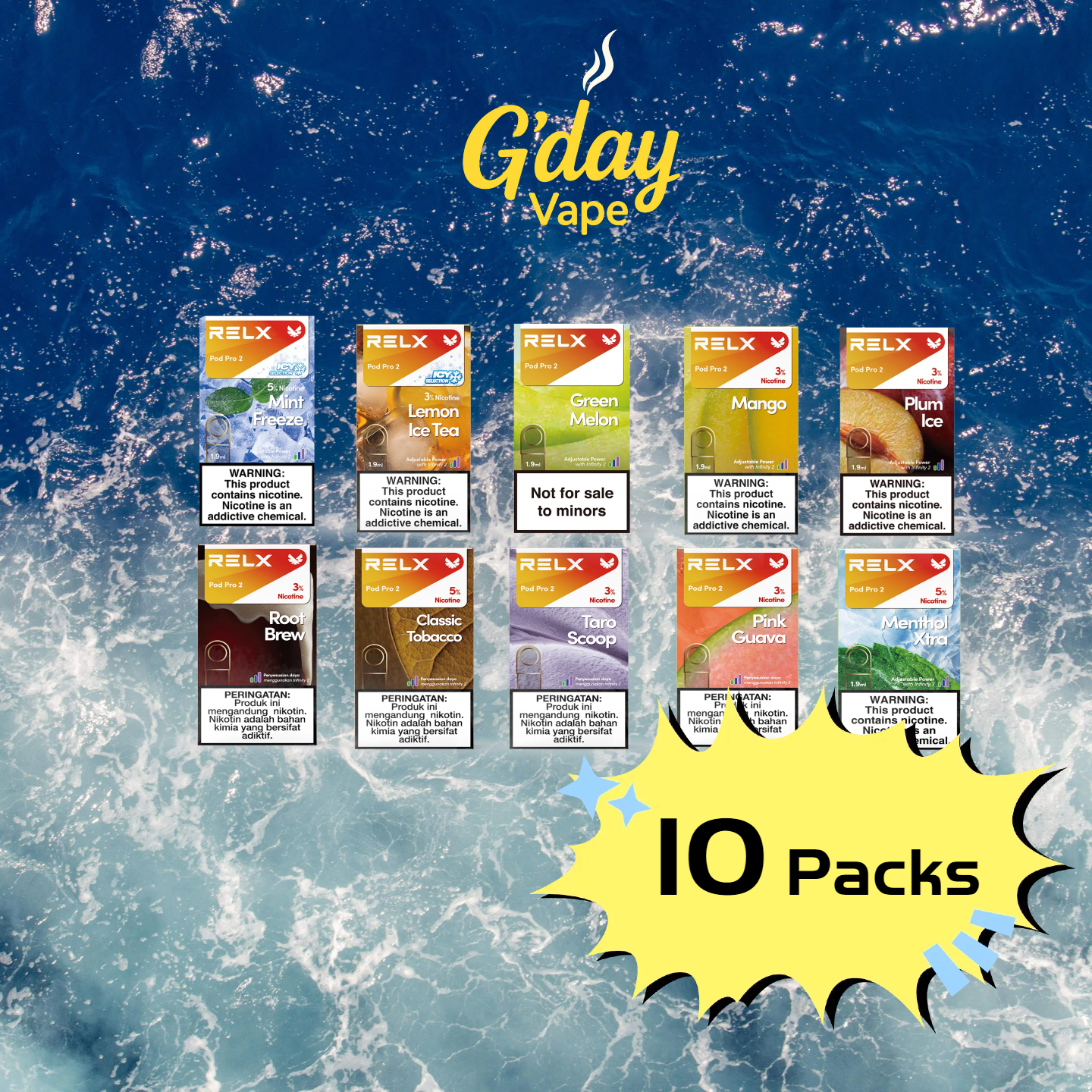
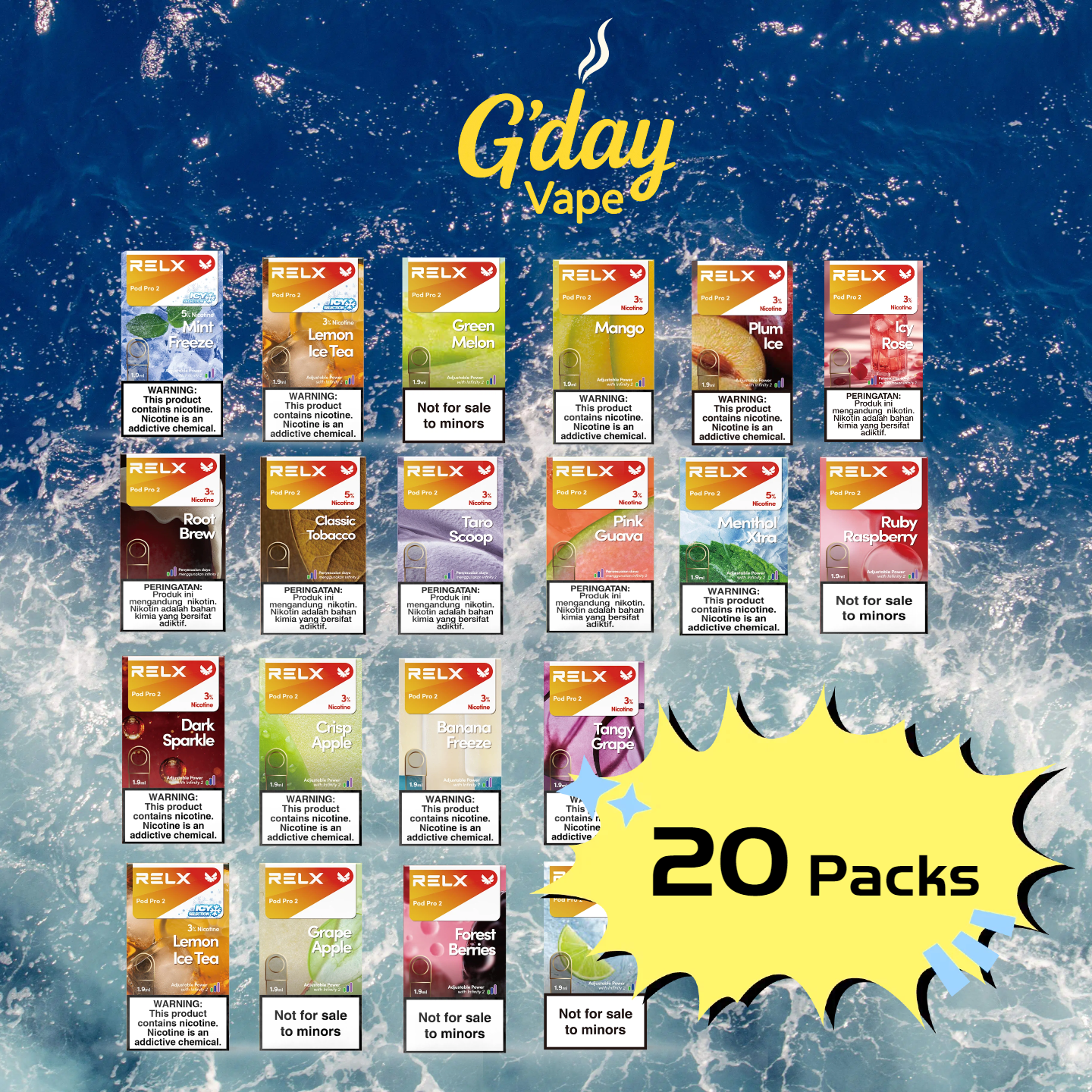
RELX Pod Specifications: Brand: RELX | Nicotine Strength: 3%-5% | E-Liquid Capacity: 1.9mL per pod | Weight: 7g | Puff Count: ~650 puffs per pod | Compatibility: RELX Devices Only
RELX Infinity 2 (6th Gen) — Fast Charging
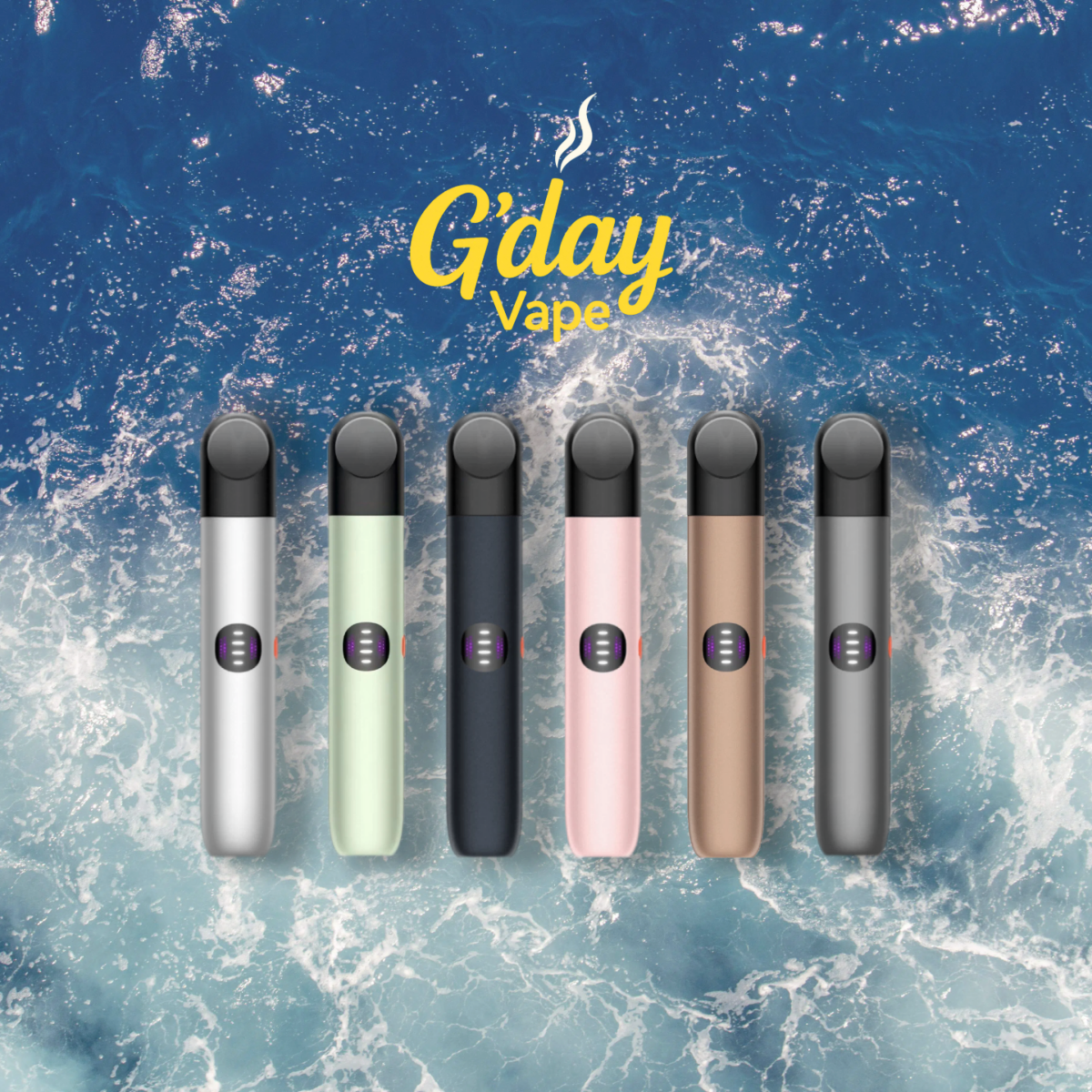
RELX Infinity 2 Specifications: Battery: 440mAh | Charging: USB-C, ~30 mins | Compatibility: RELX Infinity Pods Only. Package includes device + USB-C cable. Requires RELX Pod to function.
RELX Essential 2 — Ultra-Compact
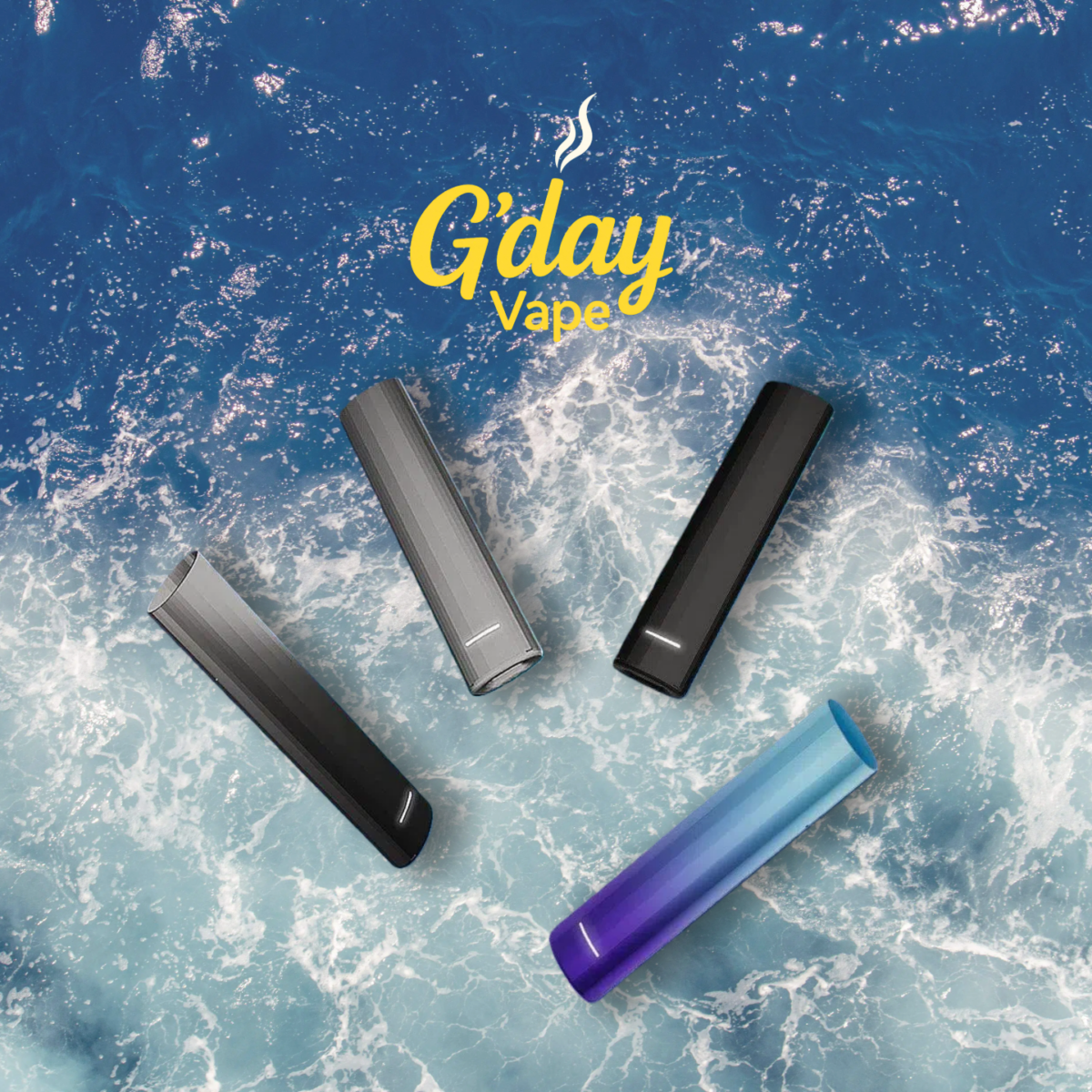
RELX Essential 2 Specifications: Battery: 380mAh | Output: Up to 10W | Charging: USB-C Fast Charging | Pod Compatibility: RELX Pod and RELX Pod Pro | Pod Design: Symmetrical Magnetic Pod Structure | Technology: RELX Super Smooth Technology
† This information is for educational purposes. Always consult healthcare professionals for personalized smoking cessation advice.
📖 External resources: World Health Organization - Tobacco | National Institutes of Health | UK National Health Service
🔞 Must be of legal smoking/vaping age. RELX products are intended for adult smokers seeking an alternative.
 RELX Pod